
meet Lis:
as in a new “lease” on life.
Never in a million years could you have told me that one day, I would become a “voice teacher.”
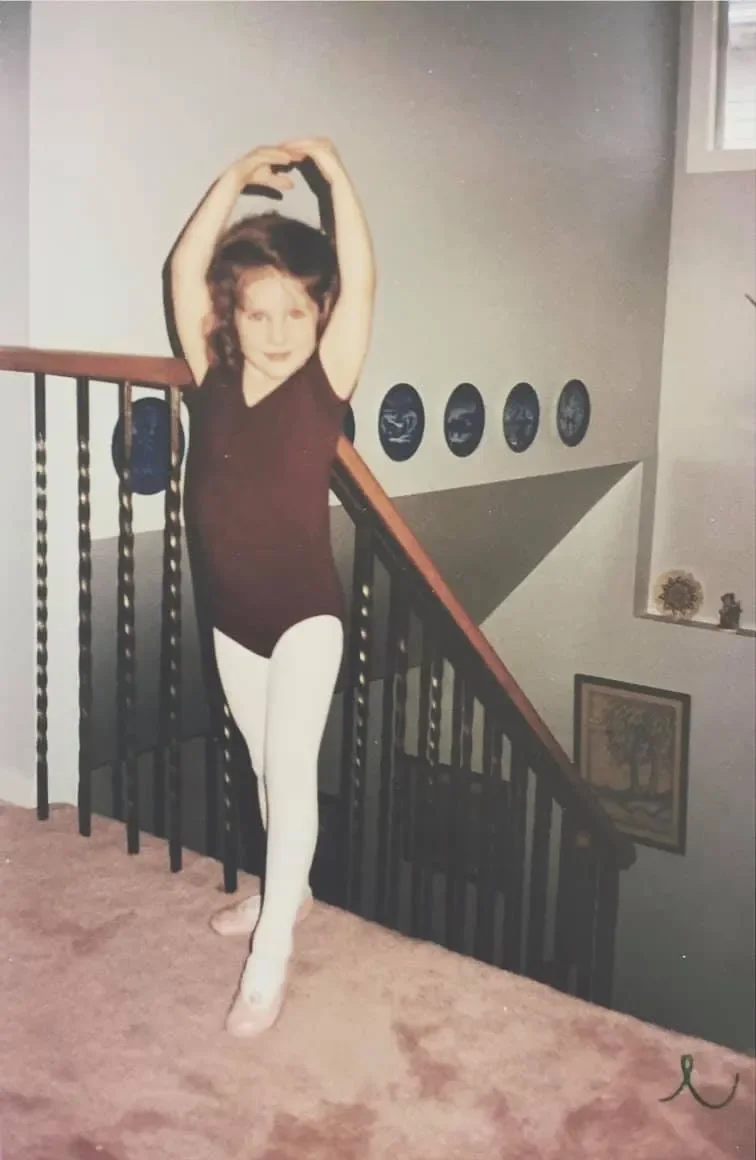
As a kid, I was so anxious on the way to voice lessons that I’d break out in hives. By the time I reached adulthood, I could barely stand up straight in an audition without bracing or holding my breath. I loved to sing—but the binary structure of music training made me feel rigid, stifled. I was either “good” or “bad,” “sharp” or “flat,” doing it “right” or “wrong.” One cracked note could send me into a full spiral.
(How I went on to have any career as an actor is truly beyond me.)
Over time, singing stopped bringing me joy. I’d still show up at karaoke or do a summer stock musical, but something had shifted. On a deep level, as I lost my connection to music, I lost the identity of being a “singer.” Even as I booked roles as an actor, I felt out of control in my voice and body—especially in auditions or rehearsals. It often felt like my nervous system was calling the shots.
The anxiety never left. It clung to me like a shadow, and I assumed there was something inherently wrong with me. I hadn’t yet learned that what I was experiencing wasn’t just “nerves”—it was something deeper.
Relational trauma.
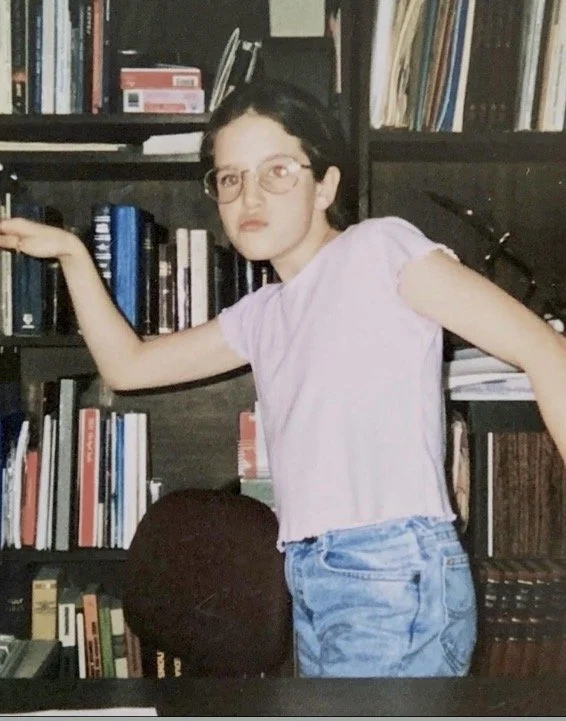
When we experience it—especially the subtle, chronic, or developmental kind—our bodies can learn to anticipate threat. So when we’re feeling vulnerable or exposed (onstage, in a meeting, in a conversation that matters), that alarm can go off again.
Suddenly, your face is flushed.
Tight in your chest.
You lose your train of thought.
Your voice shakes.
You dissociate.
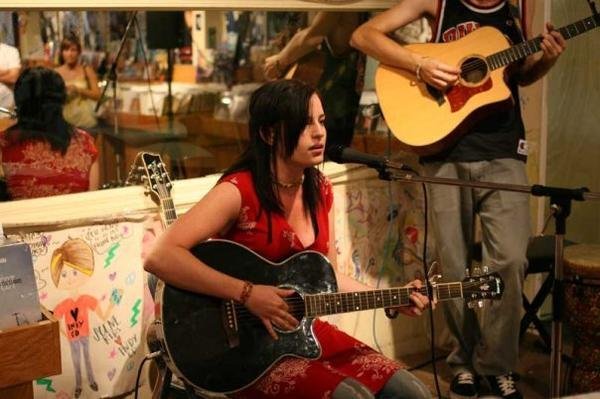



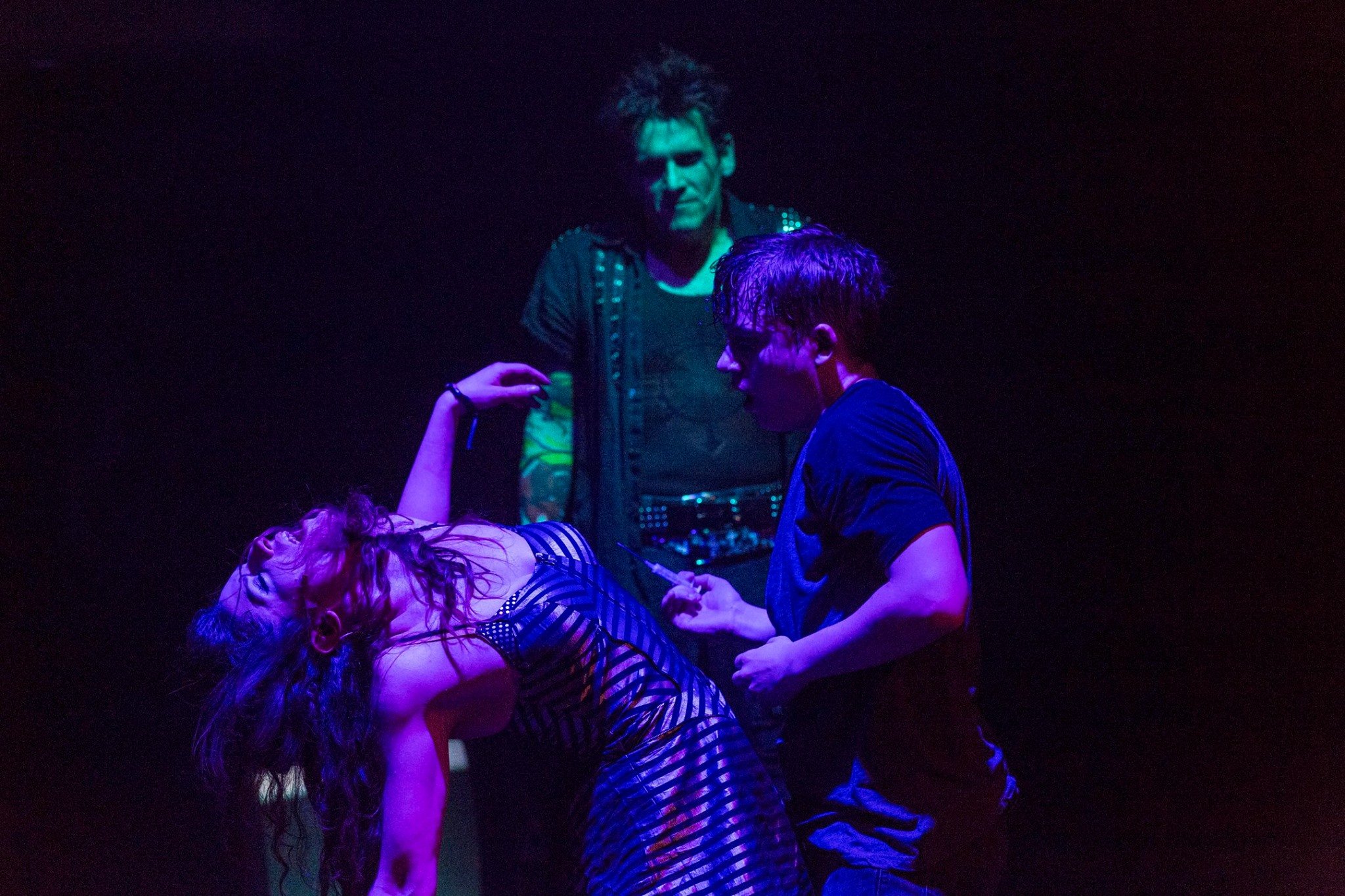

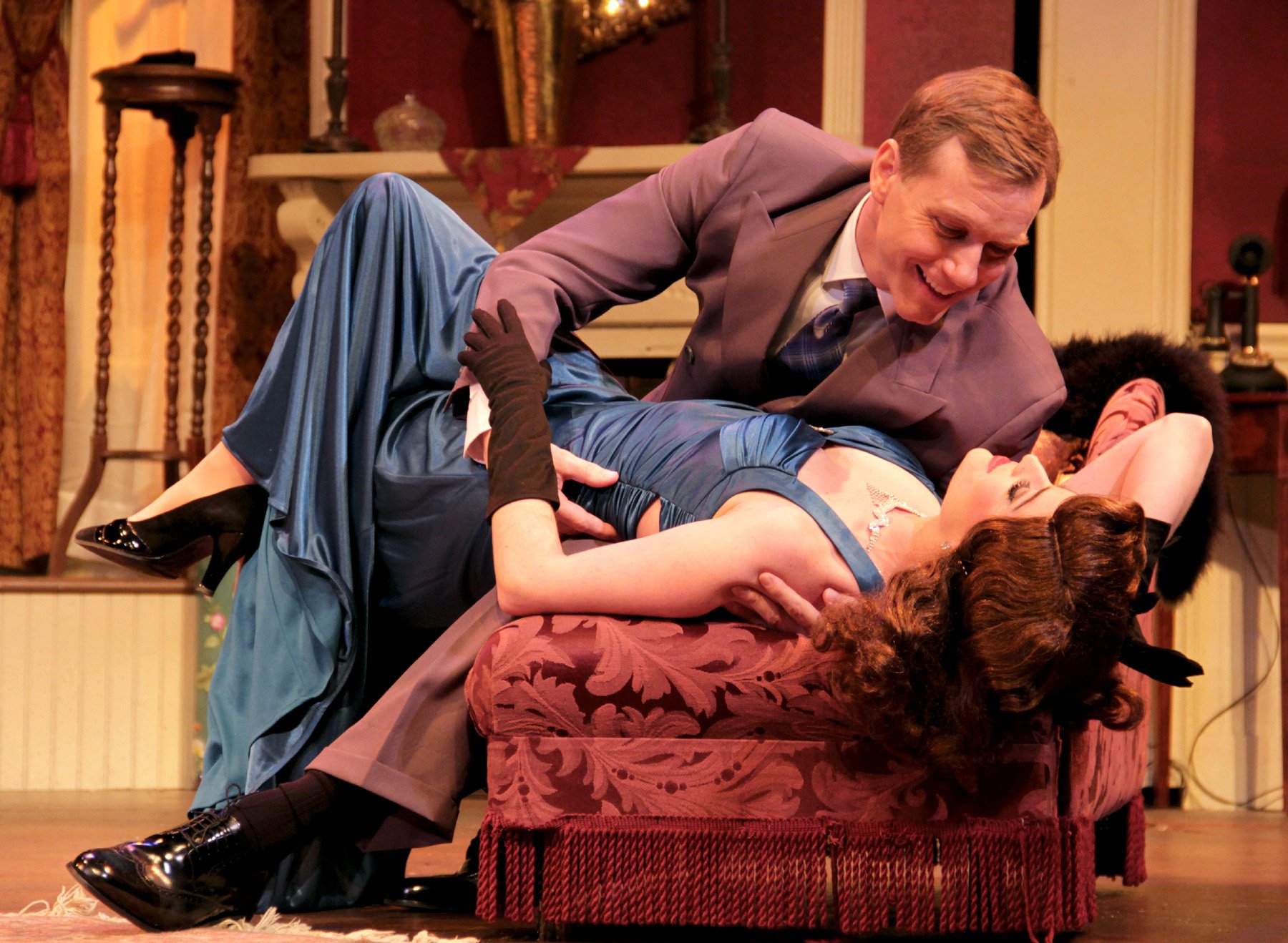
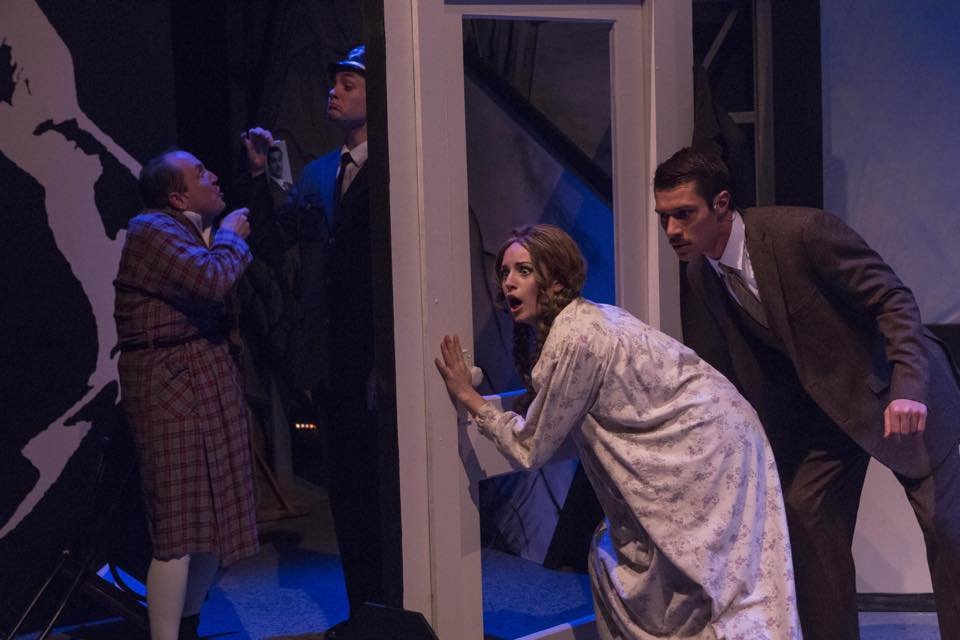

When we are triggered, we can’t access our creativity, imagination, or our communication skills—all things vital to becoming a collaborative, healthy, and inspired voice.
Sound familiar?
This is how anxiety can, quite literally, steal the show. Pretty difficult to effectively speak or sing when this happens. In fact, pretty difficult to function at all.
It doesn’t just happen to performers. I work with lawyers who can’t speak up in court, professors who feel physically ill before giving lectures, therapists who shut down when their client gets angry, and creatives who go mute at the mic.
What they all have in common is this: the voice goes where the body goes.
All along, there was nothing “wrong” with me. What I needed was a trauma-informed voice coach who could help me understand how it had been limiting my potential and then—most importantly—what to do about it.
That’s what I’m here.
And if you’re still reading, maybe it’s why you’re here, too.

Lis Ermel (they/her/his) is a trauma-informed vocal coach dedicated to helping performing artists, voice-reliant professionals, and personal growth practitioners develop a voice they can trust.
Their work is rooted in a systems-aware, relational approach to voice and performance training — one that recognizes the voice as shaped not only by technique, but by lived experience, identity, conditioning, environment, and nervous system patterns.
Instead of forcing the voice into rigid ideals, Lis’ approach focuses on developing greater freedom, sustainability, presence, and self-trust through personalized, embodied voice and performance work.
With over 25 years of experience in theatre, music, and performance, Lis brings a uniquely interdisciplinary perspective to their teaching practice, blending vocal technique, performance training, nervous system awareness, movement, and artistic collaboration.
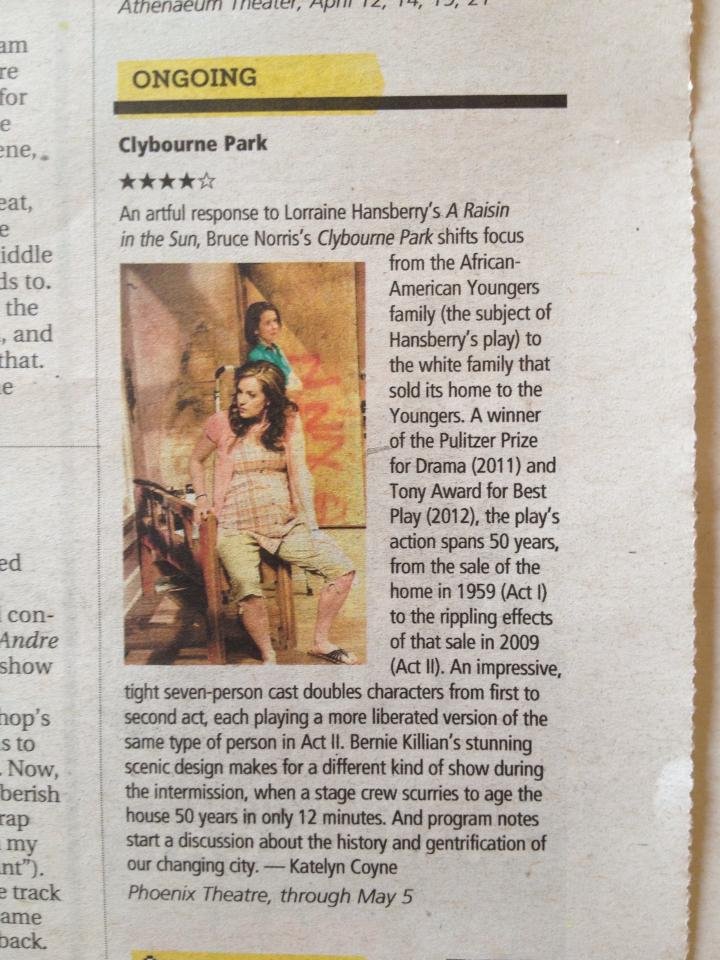
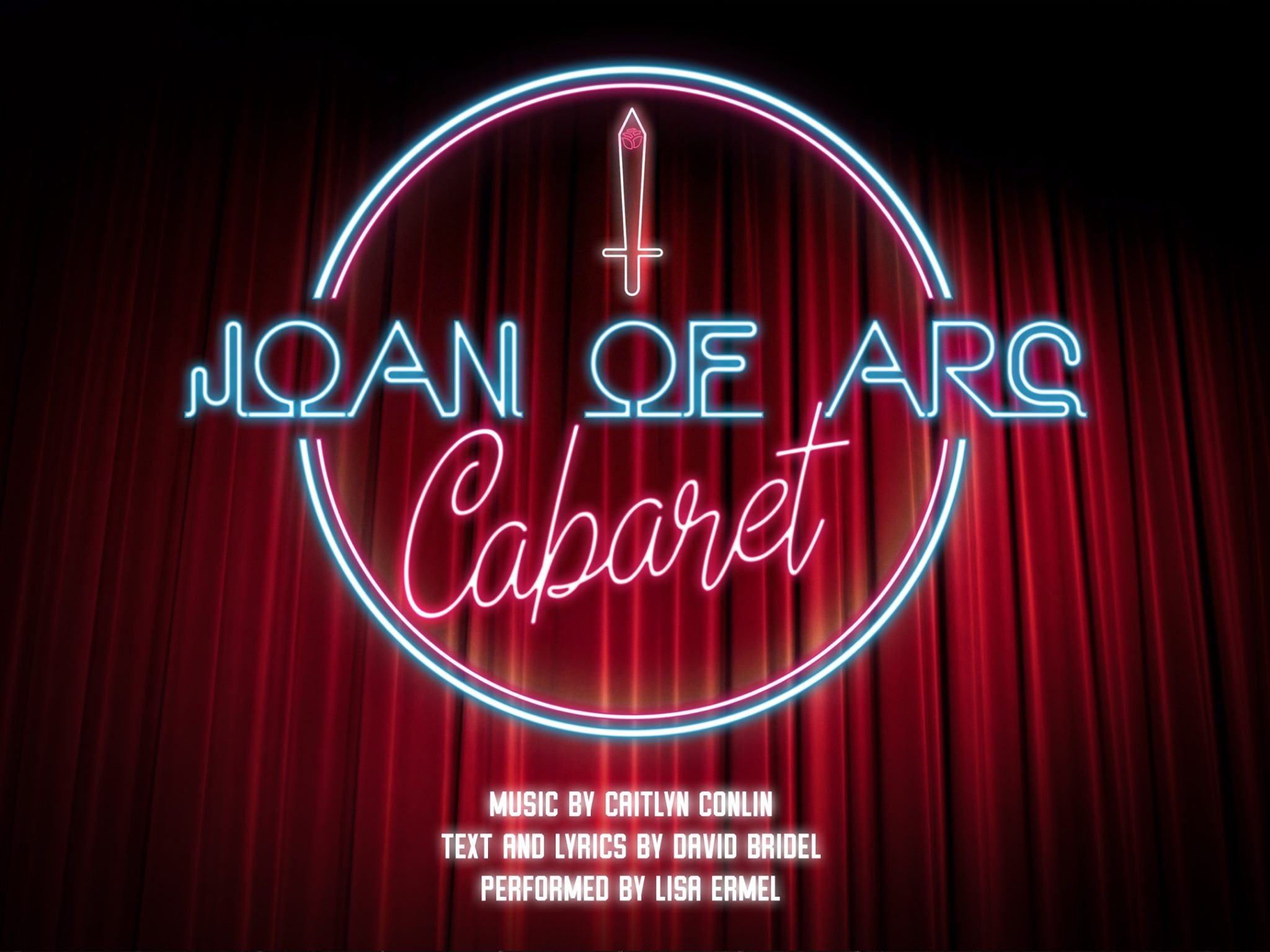
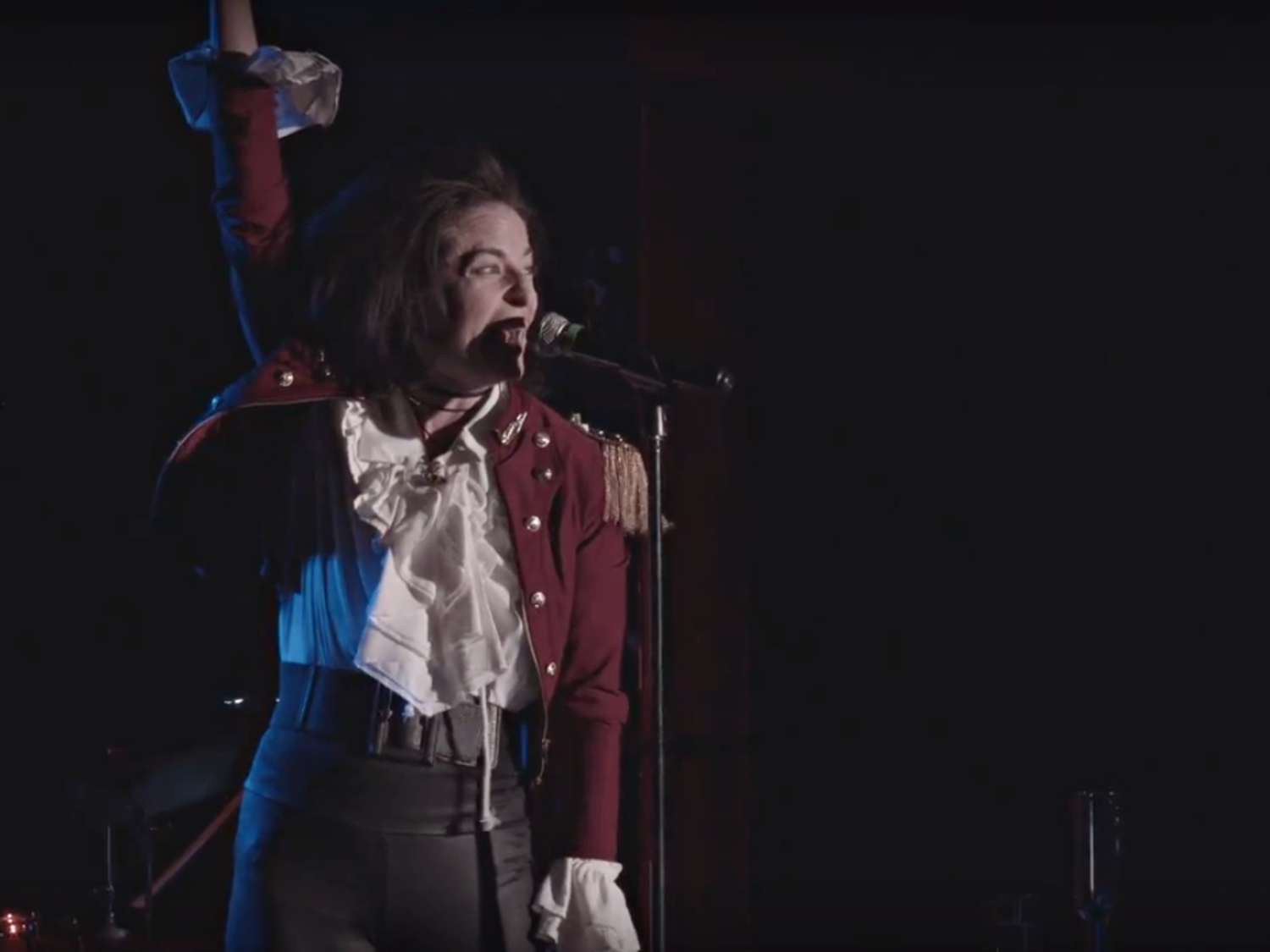
Lis holds an M.F.A. in Acting from USC School of Dramatic Arts. Their performance credits include The Ahmanson Theatre, Mark Taper Forum, and Rockwell Table & Stage, where they co-wrote and starred in the original one-person show Joan of Arc: Cabaret.
As a queer, neurodivergent, certified trauma-informed 200hr RYT® yoga teacher, Lis is especially passionate about integrating mind, body, and voice to help performers and voice-reliant humans reconnect to expression, creative agency, and the voice underneath the performance.
Their private practice, Voice with Lis, offers one-on-one coaching, Voice Mapping Intensives, and is building a small group coaching program (coming soon!).
When they’re not coaching, performing, or writing, you can find Lis cuddling Harry, overwatering their plants, doomscrolling, and figuring out how to balance rest and ambition.
Too nervous to book a call?
I get it.
Dip your toes in on your own time by trying out my 45-min Full Voice Warm-Up for just $25.